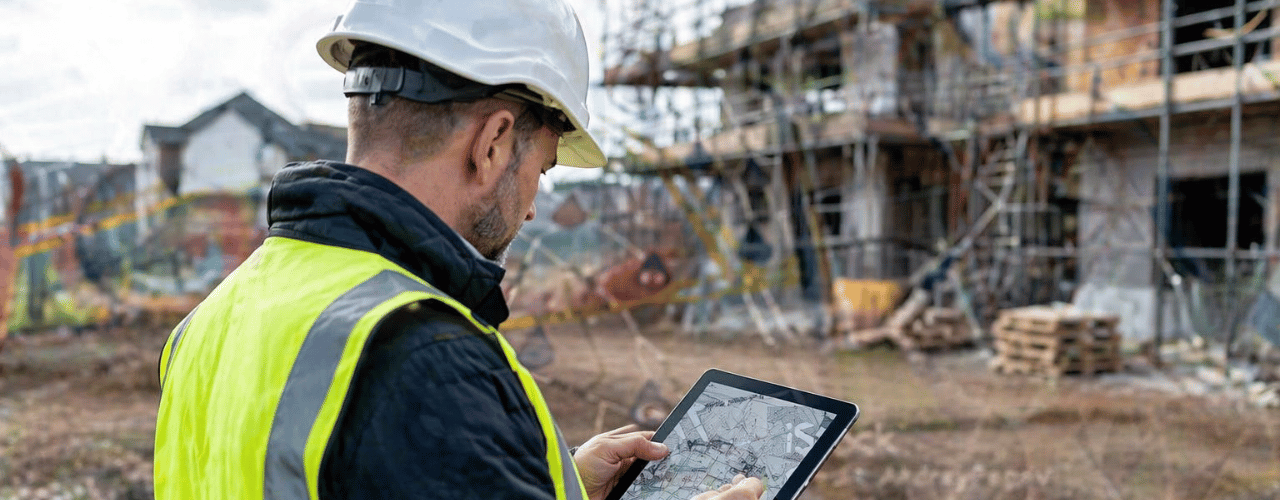

The UK delivery industry works against a massive lag between a construction crew leaving a site and a house appearing on a digital map. Developers finish roughly 200,000 homes a year, but mapping pipelines move much slower. This delay drains fuel and kills patience. Basic maps for fresh estates lead to dead mileage and failed delivery windows because the data simply isn’t there yet.
Relying on consumer apps is a gamble that costs you money. Professional address finders bridge the gap by updating faster than the standard six-month refresh cycle used by generic GPS providers. For a courier, using a dedicated address finder means the difference between finishing a route on time or donating an hour of unpaid labour to a “search crawl.”
Why do sat-navs fail to find new-build addresses?
Registration delays cause navigation failure because a builder must complete a house and a local council must register it before the data reaches the Royal Mail Postcode Address File (PAF). Generic navigation apps rely on third-party providers who refresh records once every few months. This “map blackout” can last years, showing a muddy field on your display while you stand in front of occupied townhouses.
For a logistics business, this lag creates high “Address Not Found” rates and unhappy customers. Using doorstep-accurate property data keeps vehicles moving by targeting these properties before they hit mainstream databases. Reducing your failed delivery rate by even 5% with a better address finder directly protects your contract standing and lowers your “Return to Depot” fuel costs.
Why do new-build house addresses disappear from maps for months?
New-build addresses often disappear during the “Ghost Phase,” the window after a builder receives a Habitation Certificate but before the council’s Street Naming and Numbering (SNN) department synchronises with Royal Mail. During this time, a resident may be living in the house, but the address will not exist in the digital databases used by standard e-commerce checkouts.
Drivers recognise the result: parcels with vague descriptions like “New Build, end of the track.” The customer bypassed the address-selection tool because their house was missing from the list. These parcels represent the highest risk for a first-time success rate. You are looking for a property that the internet believes hasn’t been built yet. Finding these drops on the first pass with a specialised address finder prevents the admin nightmare of “Address Queries” that stall your evening debrief.
How do you find a house by plot number on a building site?
To find a house by plot number, you need a tool that identifies properties by specific plot names or house names rather than just street coordinates. The disconnect between plot numbers and door numbers is a nightmare for standard GPS; developers assign Plot 42 months before the house becomes 12 Oak Close, and these numbers rarely match.
What is the best way to navigate a live construction site?
The best way to navigate a live site is to use coordinate-based navigation rather than street-based data, especially when “Road Surface Under Construction” signs render traditional maps useless.
- Identify the Ingress Point: Large estates often have a “Construction Entrance” for heavy machinery and a separate “Residential Entrance” for early tenants. Standard GPS confuses the two, leading you to a locked steel gate.
- The “Lamp Post” Indicator: Builders often tape plot numbers to lamp posts or temporary fencing before fitting door numbers. Look for these physical markers when the map is blank.
- The Site Office Deadline: Never rely on the site office for directions after 3:30 PM. Construction staff leave before the peak afternoon delivery window begins.
How can couriers reclaim the final 100 feet of a delivery?
Couriers reclaim the final 100 feet by using specialist route planning to remove the hesitation and “search crawl” caused by modern estate layouts. These areas consist of dead ends and narrow turns where a logical path keeps stress levels low and drop rates high.
- Camera Scanning: Scan a postcode directly from a parcel label with the Delm8 address finder to stop typing errors.
- Coordinate Hand-off: Send the precise location to Waze or Google Maps to ensure you approach from the correct side of the kerb every time.
Can a professional address finder improve your fleet DPH?
A professional address finder improves Drops Per Hour (DPH) by providing “Coordinate-First” dispatch data that removes search time entirely. Every “Address Not Found” notification is a failed investment for a fleet manager, as last-mile logistics account for 53% of total shipping costs. Returning a parcel to the depot means paying for fuel and labour twice. Providing doorstep-accurate data via Delm8 separates a profitable multi-drop contract from one that bleeds cash in “Search Crawls.”
The Delm8 New-Build Efficiency Audit
Profitable routing on a new estate demands a commercial audit of the data before you turn the key. Rolling onto a site with only a postcode essentially guarantees you are losing money. The Delm8 plot-to-profit lookup identifies the exact doorstep coordinate even while other apps still list the road as a field. Using this data prevents the search crawl that sinks your hourly rate and ensures your first attempt is the only attempt.
Commercial success on these developments depends on the physical protection of your vehicle. The Delm8 aerial view allows you to distinguish between finished tarmac and a mud-filled construction trench. Avoiding a two-hour wait for a recovery truck preserves your bulkhead clearance and keeps the day profitable. Verifying the physical doorstep coordinate before you enter the site protects your vehicle and your bottom line.
The Delm8 database ensures the right destination is found before the key is turned. Data built for the UK’s unique challenges stops the search and starts the delivery.
Stop guessing. Clear the bulkhead. Download the Delm8 app today and see the difference doorstep accuracy makes.